Tips and Guides about Alert Management Terminals
Fatuma Abdalla · Branch Speed Desk · Mombasa
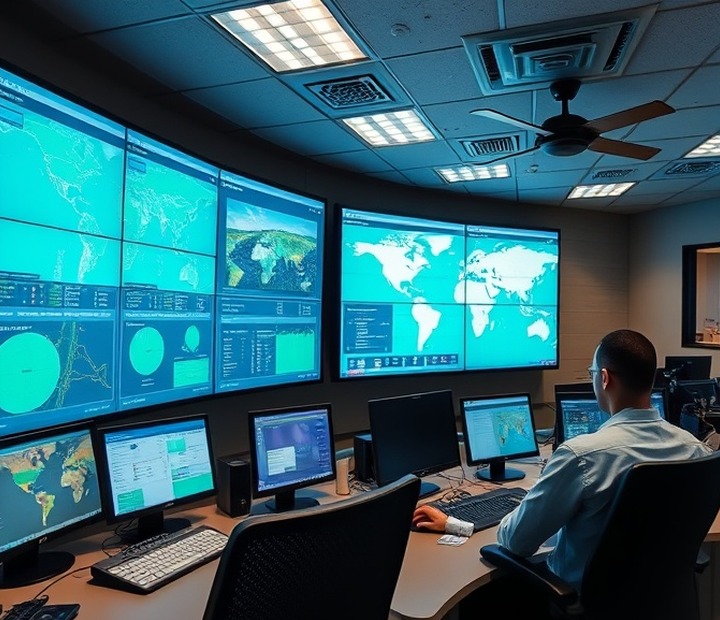
Four hundred alerts, six decisions
Take a week of a typical retail network's alerts and mark each one with what a person did in response. The usual finding is that most produced no action at all, a handful produced a call to the site, and a few produced a dispatch. Once that table exists, the argument about which alerts to keep answers itself.
Catching the fault before the branch calls
Most of the time lost across a self-service fleet is not in the repair itself but in the gap between the fault and the moment someone reports it. A terminal can go out of service first thing in the morning and only be reported at midday, with that whole morning of demand pushed to the teller desk. Continuous monitoring closes that gap: the incident opens by itself, is ranked by criticality and reaches the field team with the initial diagnosis already done. It is one of the questions branches ask us most often: cost of a false call-out.
The cost hiding inside the service budget
Nobody budgets for false dispatches, which is precisely why they persist. They appear as ordinary call-out charges, spread across the year and across regions. Counting them separately for one quarter is usually enough to fund a proper alert review several times over.